Why most basement coatings fail in the first humid summer
The basements under Old West Side and Water Hill homes have been pushing moisture vapor up through their slabs for over a century. A cheap film of paint over that slab is not a coating. It is a sacrifice that lasts one summer. The slab itself is rarely the problem. The product on top of it is. Painting it again, or laying peel and stick vinyl on top, repeats the same mistake with a new label on the bucket.
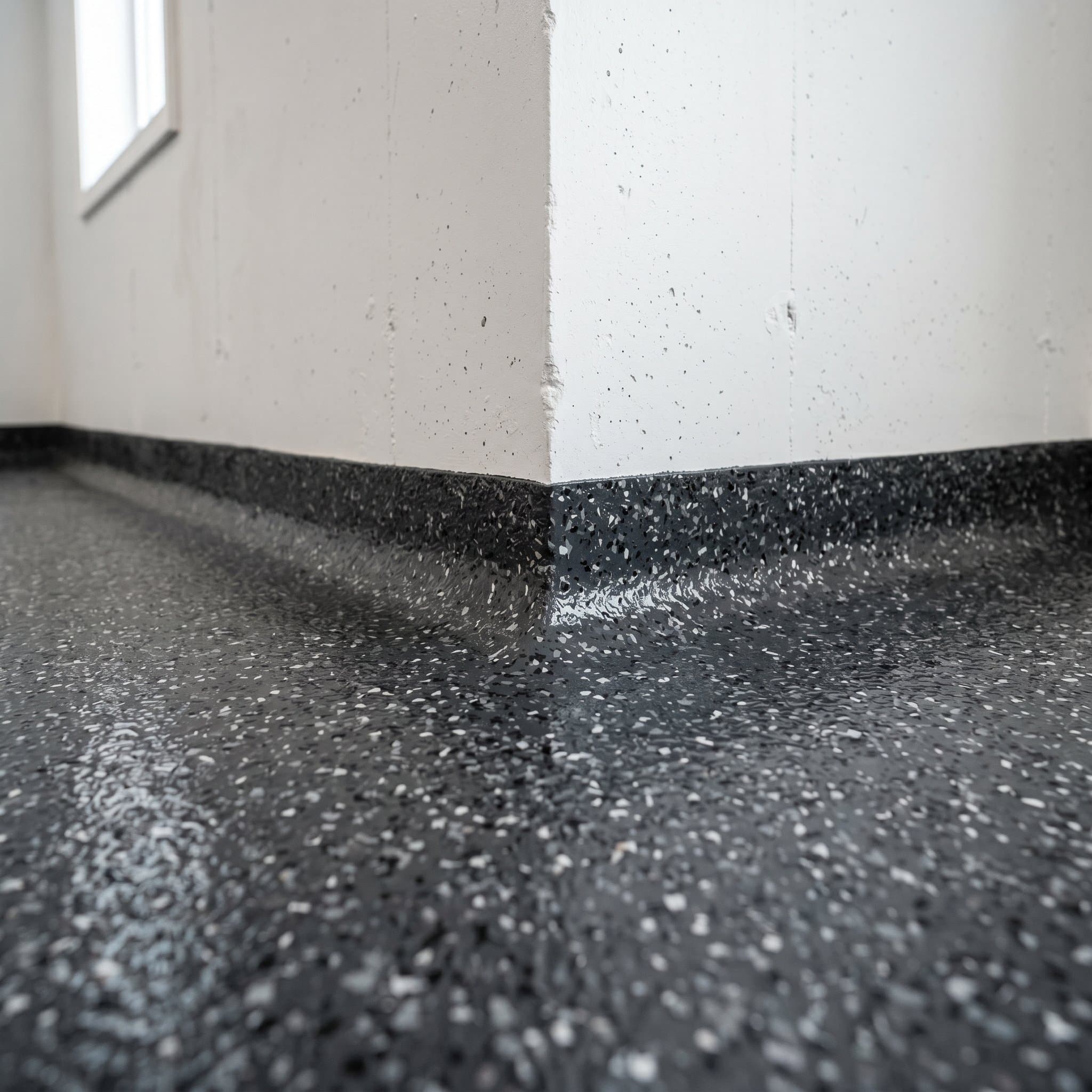
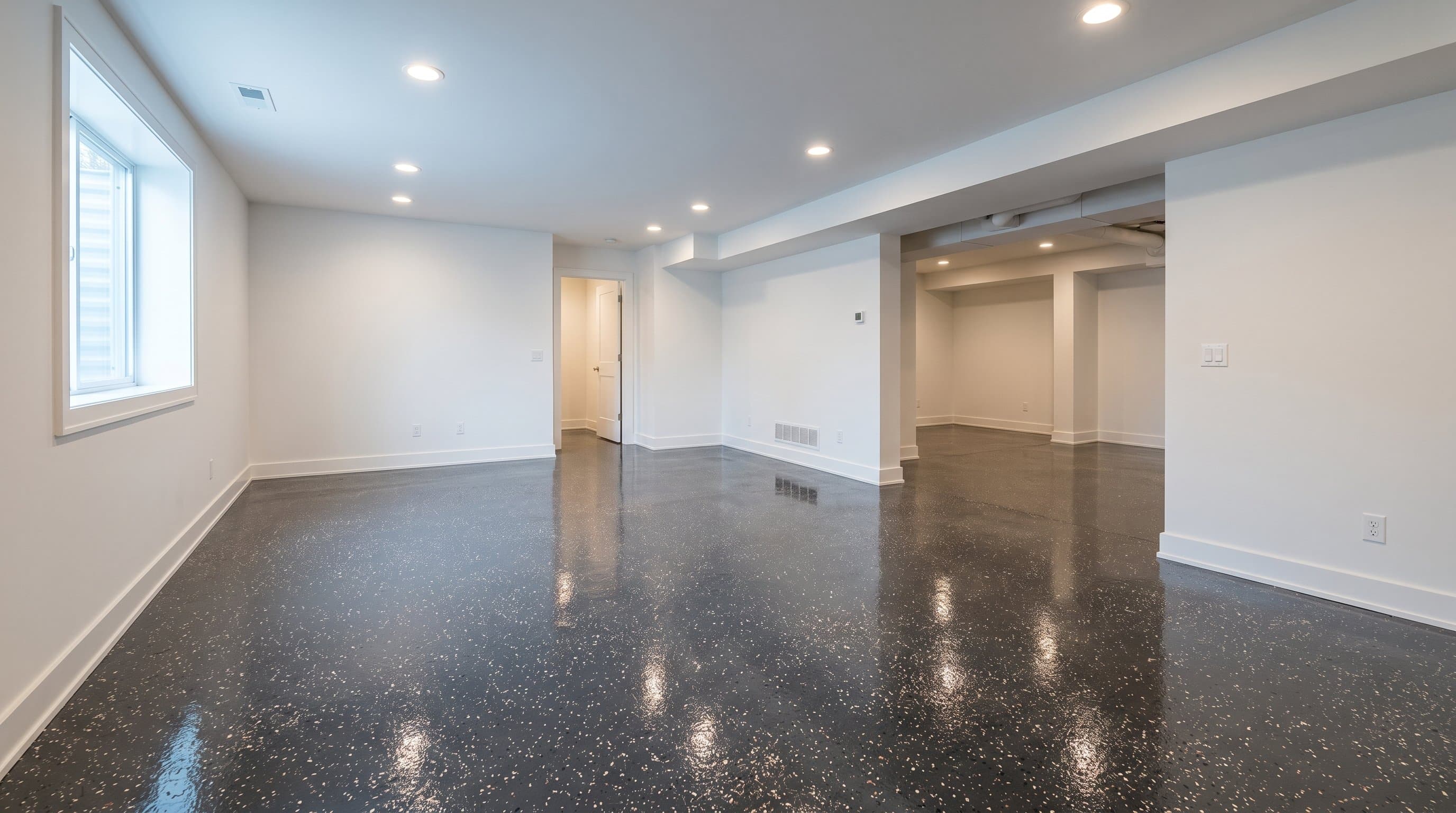
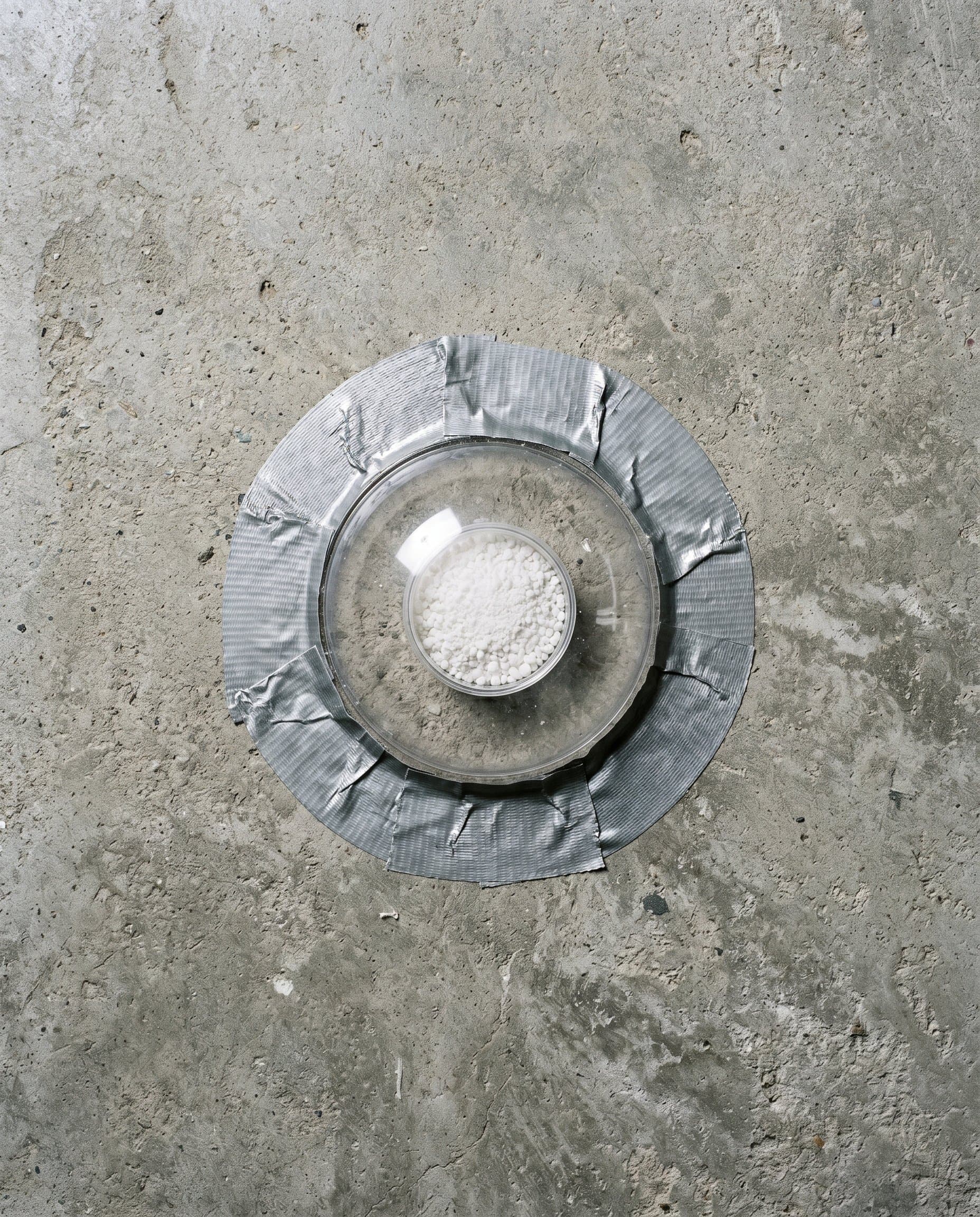
A real install opens with a calcium chloride disc taped to the slab for two or three days. The disc gives a number: pounds of water vapor per thousand square feet per day. That number picks the primer. Light vapor: a standard primer that tolerates moisture. Heavy vapor, common in foundations a century old near the Huron River: a vapor mitigating epoxy that locks the moisture down. Over the primer lands a solids epoxy base. Most basements get a light pigment to brighten the room. Then either a fine flake for depth, or a smooth polyaspartic if the room reads more like a finished living space.
- Primer is sized to the actual vapor off the slab, not picked from a catalog.
- A light or warm base reflects ambient light back into the room.
- Polyaspartic topcoat does not slip under furniture, exercise gear, or pet paws.
- Walk on it that evening. Furniture goes back inside a day.
- Crews bring exhaust fans and dehumidifiers, so the cure smell clears before they leave.
Most basement work across the Ann Arbor footprint wraps inside one working day. That covers Burns Park bungalows, Kerrytown duplexes, and the newer infill in Ann Arbor Hills. A second day enters the picture only when the slab needs serious crack repair before primer. The walk-through, with the moisture disc reading in hand, is the only honest way to quote a basement.
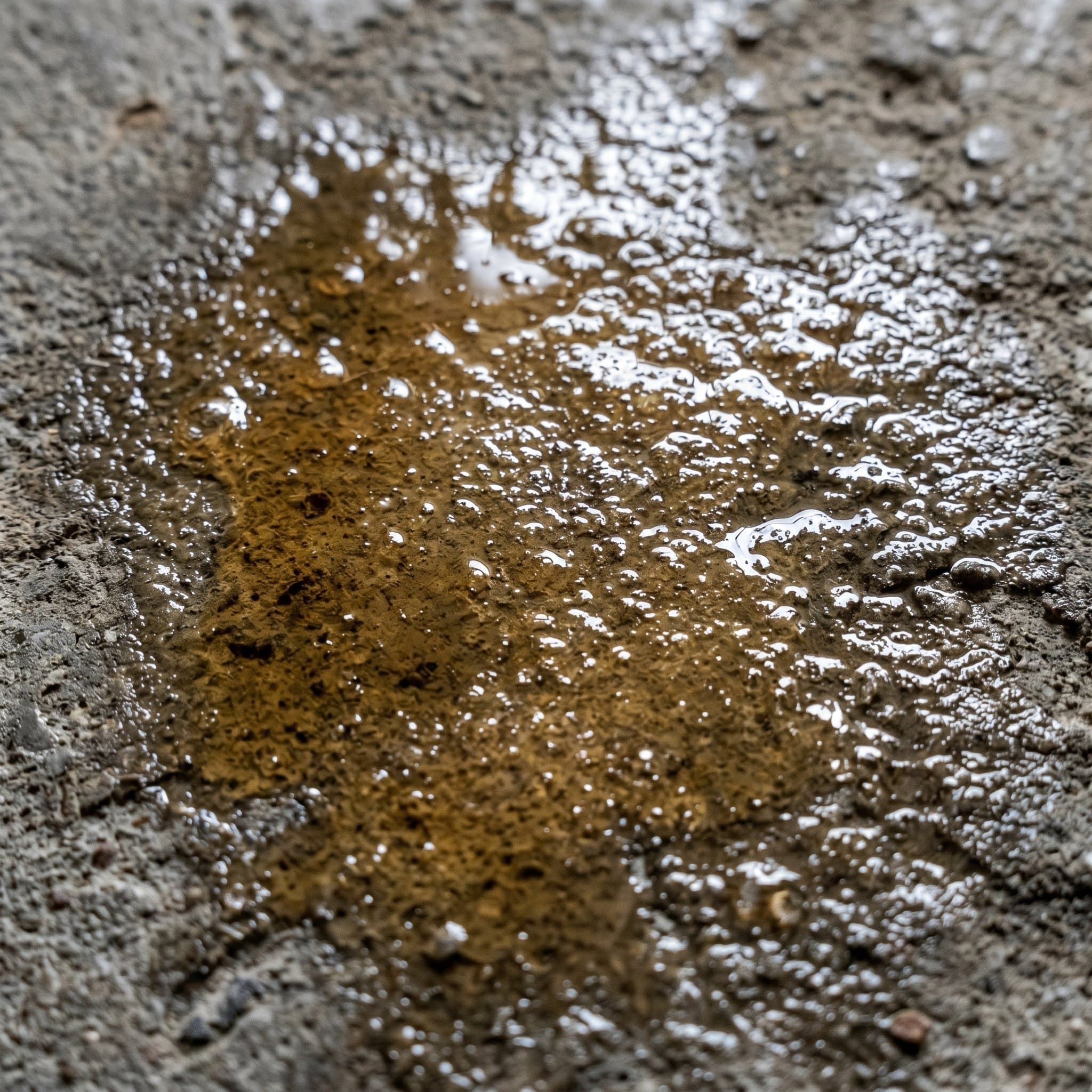
If a basement shows efflorescence (the chalky white salt residue), water staining at the wall, or a previous coating that already lifted, a local installer will run a free walk-through and explain what is going on below the floor.